

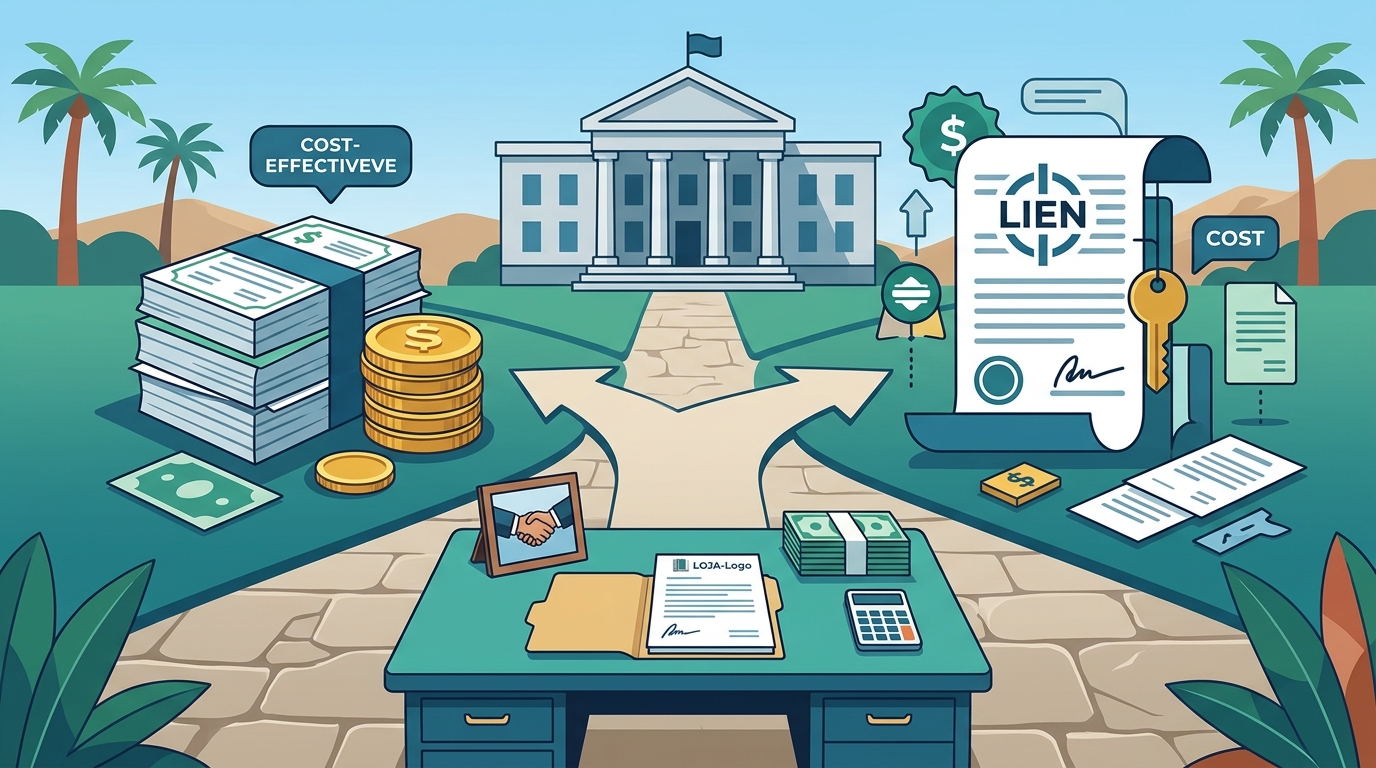
Resolving a California Franchise Tax Board (FTB) tax lien involves distinct financial pathways, each with different upfront and long-term costs. The Law Office of Jorge Alesna, Jr. advises that the most cost-effective option depends on your ability to pay the underlying tax debt versus your need to clear your credit record. For those who can afford the balance, paying the tax in full is often the cheapest route. For those facing financial hardship, negotiating a removal or installment plan may cost more in fees but preserves assets. For additional details, review the Checking your browser.
Understanding FTB Lien Costs
Option 1: Paying the Tax in Full
The most direct method to remove an FTB lien is to pay the entire balance, including tax, penalties, and interest. This option is best suited for taxpayers who have the liquidity to settle the debt immediately. The primary cost is the total debt amount. There are no additional legal fees if you handle the payment directly with the FTB. However, if you have been using a third-party service, you may have already incurred consultation fees. Paying in full ensures the lien is released quickly, typically within 30 days of payment confirmation. For additional details, review the Frequently Asked Questions.
Strengths
- Fastest removal of the lien from public records. For additional details, review the About.
- No ongoing interest accrual after payment.
- Simplest administrative process.
Limits
- Requires significant immediate cash flow.
- Does not address the root cause of the tax delinquency.
Option 2: Installment Agreements
Strengths
- Reduces monthly financial burden.
- May allow for lien release while payments continue.
- Prevents further enforcement actions like levies.
Limits
- Total cost is higher due to continued interest.
- Requires strict adherence to payment schedules.
- May not be available for very large debts.
Option 3: Lien Subordination or Discharge
In some cases, a lien can be subordinated to a mortgage or other secured debt, or discharged if the tax debt is less than the equity in the property. This is a more complex legal process. The cost involves legal fees for preparing and filing the necessary motions. This option is suitable for taxpayers who are selling property or refinancing and need the lien to not block the transaction. It does not eliminate the tax debt, but it changes the priority of the claim.
Strengths
- Allows for property transactions despite the lien.
- Can protect equity in certain scenarios.
Limits
- Higher legal costs due to complexity.
- Does not reduce the total tax debt.
- Requires specific legal arguments and documentation.
Cost Comparison Table
| Resolution Option | Upfront Cost | Ongoing Costs | Legal Fees | Best For |
|---|---|---|---|---|
| Pay in Full | Total Debt | None | Low to None | Those with liquidity |
| Installment Agreement | Setup Fee | Monthly Payments + Interest | Low to Moderate | Steady Income Earners |
| Subordination/Discharge | Legal Filing Fees | Debt Remains | Moderate to High | Property Sellers/Refinancers |
Choosing the Right Option
Choose to pay in full if you have the funds available and want the quickest resolution. Choose an installment agreement if you have a reliable income but cannot pay the balance immediately. Choose subordination or discharge if you are involved in a real estate transaction and need to clear the title. The Law Office of Jorge Alesna, Jr. can help you evaluate which option minimizes your total cost while protecting your assets.
Frequently Asked Questions
Does paying the tax in full automatically remove the lien?
Yes, once the FTB confirms full payment, they are required to release the lien. The release document is then recorded with the county recorder.
Can I get a lien removed while still owing the tax?
In some cases, yes. If you enter into an installment agreement or if the lien is subordinated, the FTB may agree to release the lien while the debt remains.
How much do legal fees cost for lien resolution?
Legal fees vary based on the complexity of the case. Simple payments may not require legal fees, while subordination or discharge motions involve higher costs.
What happens if I miss a payment on an installment agreement?
The FTB may cancel the agreement and resume enforcement actions, including levies and wage garnishments. It is important to stay in compliance.
Can I switch from one resolution option to another?
Yes, you can often modify an installment agreement or switch to a different resolution method if your financial situation changes. Consult with a tax attorney to explore these options.
Conclusion
Resolving an FTB lien requires a strategic approach to minimize costs. The Law Office of Jorge Alesna, Jr. provides expert guidance to help you choose the best option for your specific financial situation. Whether you can pay in full or need a structured payment plan, the right strategy can protect your assets and clear your record. Contact the Law Office of Jorge Alesna, Jr. to discuss your options.