

IRS Collections Representation
When the IRS initiates collection actions, such as liens, levies, or wage garnishments, the stakes for your personal and business assets rise significantly. Tax controversy representation is the legal practice of advocating for taxpayers in disputes with federal and state tax authorities. In Bakersfield and Kern County, the Law Office of Jorge Alesna, Jr. handles these enforcement matters for clients who feel their cases are not being handled properly or who are unsure about their current representation.
Understanding Collection Actions
The IRS has broad authority to collect unpaid taxes. A federal tax lien is a legal claim against your property to secure payment of a tax debt. A levy is the legal seizure of your property to satisfy a tax debt. Wage garnishments involve the IRS taking a portion of your paycheck. These actions can disrupt your financial stability and business operations. Understanding the specific type of collection action is the first step in determining the best defense strategy.
The Role of Independent Legal Guidance
Protecting Assets During Disputes
Financial hardship cases often involve complex interactions between federal and state agencies. The IRS may coordinate with state agencies to collect debts. A coordinated legal strategy is necessary to prevent conflicting collection actions. The firm focuses on resolving these complex disputes to protect personal and business assets. By engaging early, you can often negotiate payment plans or other resolutions that prevent the most severe collection actions from taking effect.
Form 656 Application Process
Eligibility and Reasonable Collection Potential
Required Documentation for Form 656
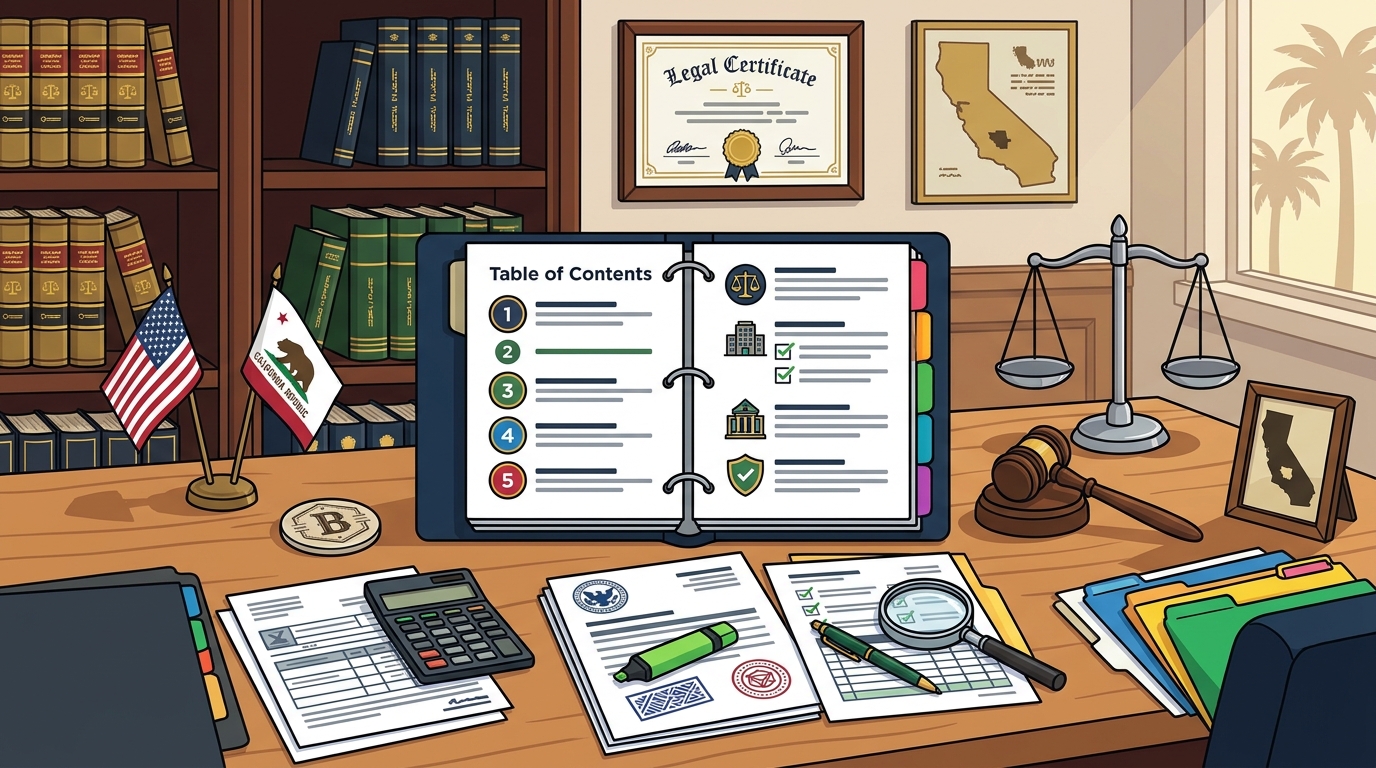
Form 656 requires extensive documentation. You must submit three years of federal tax returns, three years of business returns if applicable, and three months of bank statements. You also need to provide a completed Form 433-F (for individuals) or Form 433-B (for businesses). These forms detail your monthly income and expenses, as well as your assets and liabilities. The IRS reviews this information to verify your financial situation. Inaccuracies or omissions can lead to the rejection of your offer. Professional assistance is often necessary to ensure that all documentation is complete and consistent.
Negotiation and Acceptance
Once the IRS receives your Form 656, they will review it and may issue a counter-offer. The negotiation process can take several months. You have the right to appeal a rejected OIC to the IRS Office of Appeals. This appeal process provides an additional opportunity to present your case. The Law Office of Jorge Alesna, Jr. can assist with the preparation and submission of Form 656, as well as the negotiation and appeal phases. Proper representation can help ensure that your financial situation is presented accurately and that you are not overpaying based on incorrect expense assumptions.
| Collection Option | Description | Key Consideration |
|---|---|---|
| Installment Agreement | Pay debt in monthly installments | Requires ability to pay full debt over time |
| Currently Not Collectible | Suspend collections due to hardship | Debt remains; interest continues to accrue |
| Penalty Abatement | Remove penalties for reasonable cause | Does not reduce principal tax debt |
Key Takeaways
- The IRS calculates your Reasonable Collection Potential based on your net monthly income and asset equity.
- Form 656 requires three years of tax returns and three months of bank statements, along with detailed financial forms.
- IRS collection actions like liens and levies can severely impact your financial stability and business operations.
- Independent legal representation can help review IRS notices for errors and ensure your financial situation is presented accurately.
- The Law Office of Jorge Alesna, Jr. provides representation for IRS and California tax enforcement matters in Bakersfield.
Frequently Asked Questions
What is an IRS Offer in Compromise?
Who is eligible for an Offer in Compromise?
To be eligible, you must be current with all required tax returns and estimated tax payments. You must also be able to demonstrate that you cannot pay the full debt based on your income, expenses, and assets. The IRS evaluates your Reasonable Collection Potential to determine eligibility. If your RCP is lower than the full tax debt, you may be eligible to make an offer.
How long does the IRS take to process Form 656?
The IRS typically takes up to 45 days to determine whether to accept, reject, or counter your offer. If the IRS issues a counter-offer, you have 30 days to respond. The entire process, including negotiation and appeal, can take several months. Professional representation can help expedite the process by ensuring that all documentation is complete and accurate.
What happens if my Offer in Compromise is rejected?
Can I use an Offer in Compromise for state tax debts?
What documents are required for Form 656?
You must submit three years of federal tax returns, three years of business returns if applicable, and three months of bank statements. You also need to provide a completed Form 433-F (for individuals) or Form 433-B (for businesses). These forms detail your monthly income and expenses, as well as your assets and liabilities. The IRS reviews this information to verify your financial situation.
How can a tax attorney help with an Offer in Compromise?
A tax attorney can help ensure that your financial documentation is complete and accurate. They can also help negotiate with the IRS to achieve a favorable settlement amount. Additionally, an attorney can represent you during the appeal process if your initial offer is rejected. The Law Office of Jorge Alesna, Jr. provides independent guidance to clients who are unsure about their current representation or who believe their matters are not being handled properly.
What are the consequences of failing to comply after an OIC is accepted?
If you fail to file required tax returns or pay estimated taxes after an OIC is accepted, the IRS can revoke the offer. This means you will owe the remaining balance of your original tax debt, plus interest and penalties. Future compliance is a critical condition of the OIC program. An attorney can help you establish a compliance plan to ensure that you meet all requirements. Learn more: Checking your browser.