
Preparing for a CDTFA audit requires organizing sales records, understanding tax obligations, and securing competent legal representation before the first meeting. The Law Office of Jorge Alesna, Jr. advises clients to act immediately upon receiving a notice to protect their rights and assets. Proper preparation prevents unnecessary liability and ensures your voice is heard during the examination process. For additional details, review the Checking your browser.
Understanding the Audit Scope and Authority
The California Department of Tax and Fee Administration (CDTFA) is the state agency responsible for administering and enforcing California tax laws. Its authority extends to sales and use tax, excise taxes, and other state revenue sources. When CDTFA initiates an audit, it reviews your business records to verify that all taxable transactions were reported and paid correctly. The scope of this review can vary significantly depending on your industry and transaction volume. For additional details, review the Checking your browser.
For businesses in regulated sectors, the audit may focus on specific product categories. For example, a retailer selling tobacco or alcohol products faces additional scrutiny regarding excise tax compliance. Understanding the specific authority behind the audit helps you determine the depth of documentation required. You must know whether the auditor is checking general sales tax or specific fee structures.
Implication: Knowing the exact scope allows you to gather only the relevant data, reducing the time and cost of compliance. It also helps your attorney identify potential jurisdictional issues early in the process.
Gathering and Organizing Critical Documentation
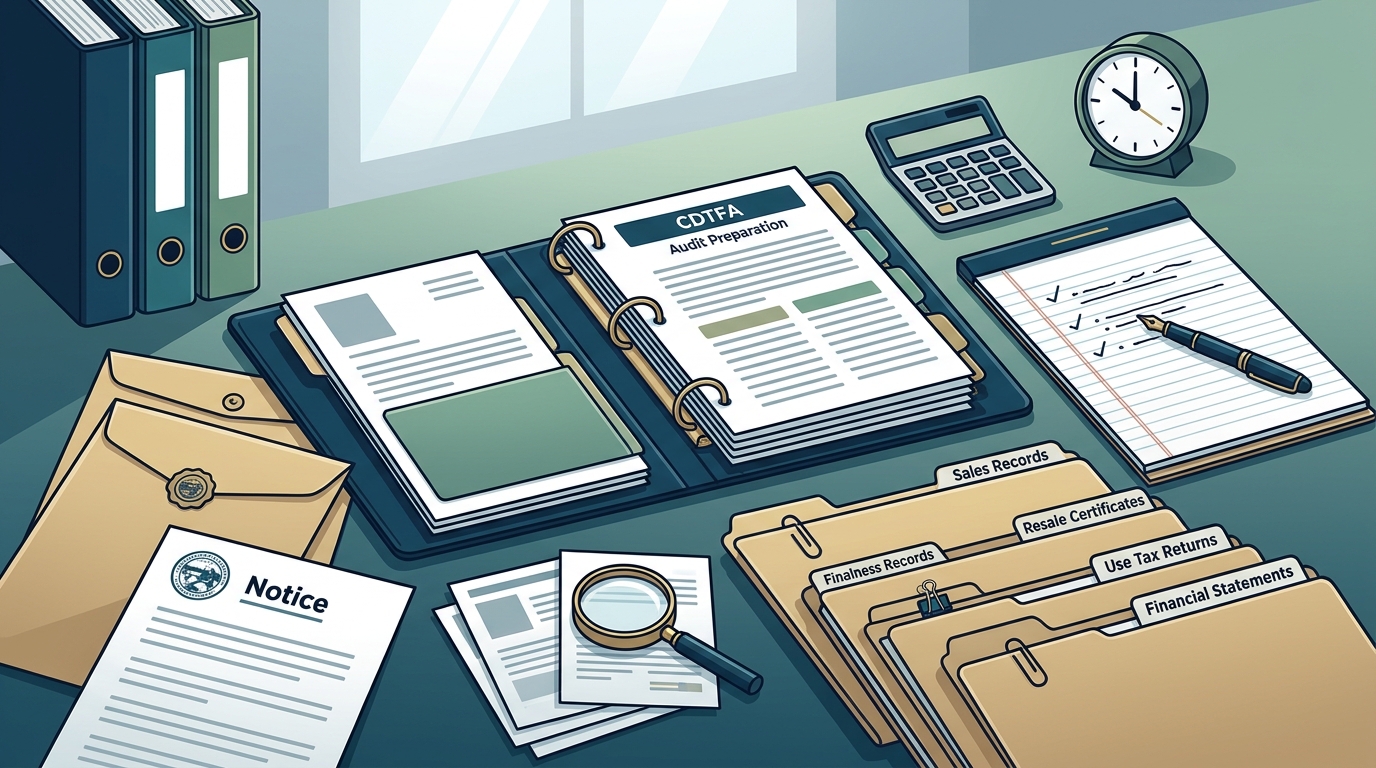
Documentation is the foundation of any successful audit defense. You must compile many sales records, purchase invoices, and bank statements for the audit period. CDTFA auditors rely on these documents to reconstruct your financial activity. Missing or disorganized records can lead to estimated assessments, which are often higher than actual liabilities. according to FAQs Office of
Consider a small e-commerce business that failed to segregate its shipping records from sales data. The auditor assumed all shipping charges were taxable, resulting in a significant over-assessment. By organizing documents into clear categories, you prevent such errors. Ensure that your accounting software exports data in a format that matches CDTFA requirements.
Implication: Proactive organization demonstrates good faith and can mitigate penalties. It also allows your legal representative to identify discrepancies before the auditor does, giving you the upper hand in negotiations.
The Role of Legal Representation in CDTFA Audits
Legal representation is not just a formality; it is a strategic necessity. A tax controversy attorney acts as your advocate, ensuring that your rights are protected throughout the audit. They communicate with CDTFA on your behalf, preventing you from making inadvertent admissions that could be used against you. The Law Office of Jorge Alesna, Jr. provides this critical layer of protection for clients in Bakersfield and across California.
Attorneys understand the procedural rules that govern CDTFA audits. They know how to challenge improper audit methods and how to negotiate settlements. Without representation, you may accept an assessment that is legally flawed. An attorney can also identify opportunities for abatement or reduction of penalties based on reasonable cause. according to How long will
Implication: Engaging an attorney early ensures that every interaction with CDTFA is strategic. It transforms the audit from a threat into a manageable process where your interests are actively defended.
Managing Communication with CDTFA Auditors
Communication protocols are essential to maintaining control over the audit process. You should designate a single point of contact for many CDTFA inquiries. This prevents inconsistent statements and ensures that all information provided is reviewed by your legal team. Auditors may attempt to interview multiple employees or request informal conversations. You have the right to decline these and direct all communication through your representative.
For instance, a business owner who answered an auditor's casual question about cash sales without consulting their attorney later faced a larger assessment. The statement was used to justify a higher estimated liability. By controlling communication, you limit the scope of information shared and protect your position.
Implication: Strict communication protocols reduce the risk of self-incrimination and ensure that your narrative remains consistent. It also buys you time to prepare responses that are accurate and favorable.
Navigating Post-Audit Appeals and Collections
If the audit results in an unfavorable assessment, you have the right to appeal. The appeal process allows you to present new evidence and argue that the assessment is incorrect. This is a critical stage where legal expertise makes a significant difference. The Law Office of Jorge Alesna, Jr. guides clients through the appeal process, ensuring that all procedural deadlines are met and arguments are well-structured.
Some clients face collections actions, such as liens or levies, while the appeal is pending. You may be able to request a stay of collections or negotiate an installment agreement. Understanding these options allows you to protect your cash flow and assets during the dispute. CDTFA has specific procedures for handling appeals and collections that must be followed precisely.
Implication: Knowing your post-audit options prevents panic and allows for strategic planning. It ensures that you are not forced into a settlement that is less favorable than what you could achieve through appeal.
Key Takeaways
- CDTFA audits require thorough documentation of all sales and purchase records.
- Legal representation protects your rights and prevents inadvertent admissions.
- Control all communication with auditors through your designated representative.
- Understand the specific scope of the audit to tailor your preparation.
- You have the right to appeal unfavorable assessments and negotiate collections.
- Early engagement with a tax controversy attorney improves your strategic position.
Frequently Asked Questions
What is a CDTFA audit?
A CDTFA audit is an examination of your business records by the California Department of Tax and Fee Administration to verify tax compliance.
Do I need a lawyer for a CDTFA audit?
Yes, legal representation is recommended to protect your rights and ensure proper handling of the audit process.
How long does a CDTFA audit take?
The duration varies based on the complexity of your records and the scope of the audit, ranging from weeks to months. according to FAQs Office of
Can I represent myself in a CDTFA audit?
You can represent yourself, but legal representation is strongly advised to avoid procedural errors and protect your interests.
What happens if I disagree with the audit results?
You can file an appeal with CDTFA to challenge the assessment and present additional evidence.
Does CDTFA have the authority to levy my assets?
Yes, CDTFA can impose liens and levies for unpaid taxes, but you may be able to negotiate or stay these actions.
Conclusion
Preparing for a CDTFA audit is a critical step in protecting your business and personal assets. By understanding the audit scope, organizing your documentation, and securing competent legal representation, you can navigate the process with confidence. The Law Office of Jorge Alesna, Jr. is ready to assist you with your CDTFA audit and related tax matters. to discuss your specific situation and develop a strategic plan.