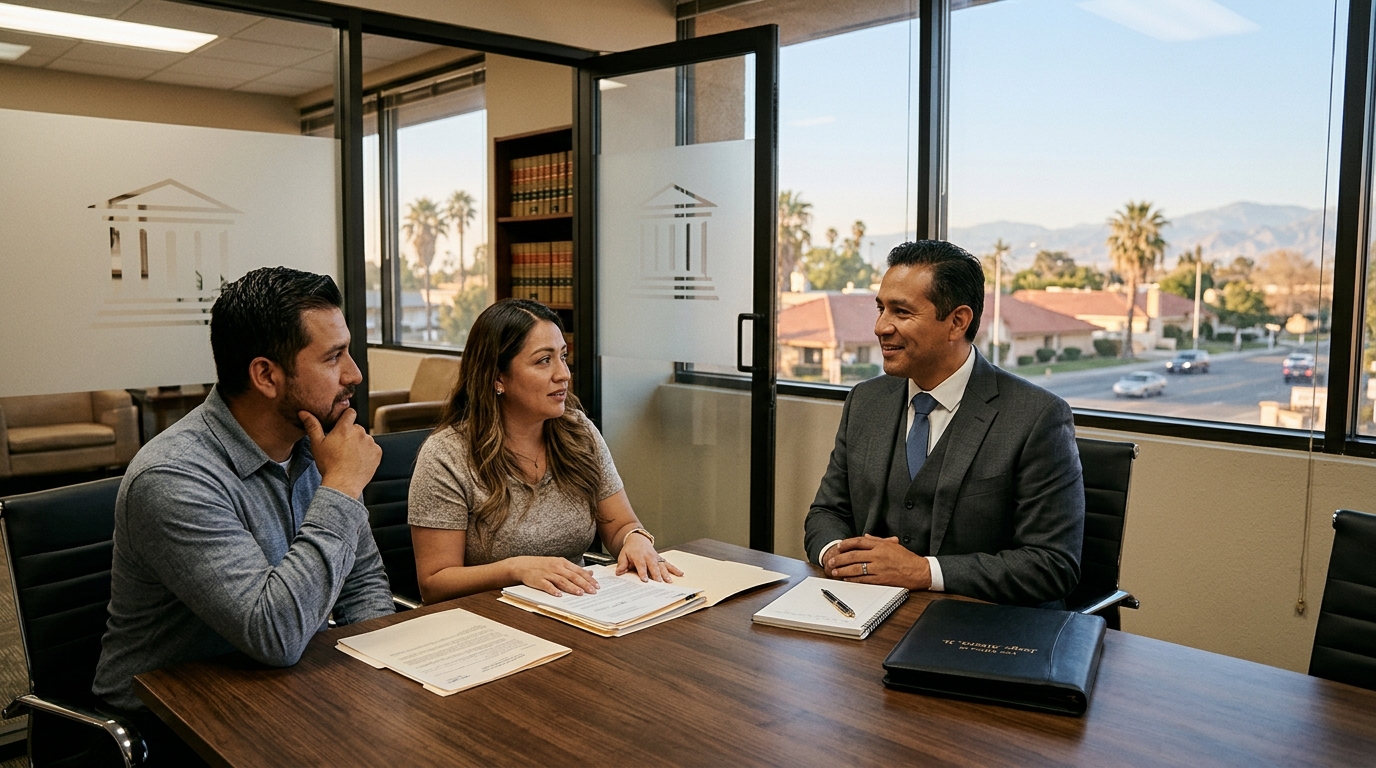
Navigating a California Department of Tax and Fee Administration (CDTFA) audit requires precise legal strategy and procedural discipline. The Law Office of Jorge Alesna, Jr. provides independent guidance to individuals and businesses in Bakersfield and across Kern County facing these complex tax disputes. Effective representation ensures that your rights are protected and that the audit process follows established legal standards. For additional details, review the Checking your browser.
1. Verify the Auditor's Authority and Scope
Confirm the legal basis for the audit before engaging in substantive discussions. A sales tax audit is a formal examination conducted by the CDTFA to determine whether a taxpayer has reported the correct amount of taxes or fees. The auditor must operate within the scope defined by the notice of audit. Your attorney should review the notice to ensure the period and scope are legally valid. This initial step prevents the audit from expanding beyond its authorized boundaries. For additional details, review the Checking your browser.
2. Review Recordkeeping Compliance
Ensure all records meet the specific requirements of CDTFA regulations. Taxpayers must provide records according to the provisions found in Regulation 1698 for sales and use tax, or Regulation 4901 for special taxes. The Law Office of Jorge Alesna, Jr. advises clients to organize their documentation before the first meeting. Proper recordkeeping is critical because auditors will impartially determine whether your client has reported the correct amount of taxes or fees. Overpayments, as well as underpayments, are also considered during an audit. For additional details, review the Checking your browser.
3. Manage Document Production Strategically
Control the flow of information to protect privileged and irrelevant data. Providing documents is a legal obligation, but it does not mean providing everything. An attorney should review requests for information to ensure they are reasonable and relevant. This step helps prevent the inadvertent disclosure of sensitive business data. It also allows the firm to frame the narrative around compliant transactions.
4. Challenge Methodologies and Sampling
Scrutinize the statistical methods used to estimate unreported sales. CDTFA auditors often use sampling techniques to extrapolate tax liabilities. A sales tax attorney is a legal professional who represents clients in disputes with tax authorities. They should review the auditor's sampling methodology for accuracy and fairness. If the sample size or selection process is flawed, the resulting assessment may be challenged. This technical review is a core component of effective audit defense. according to Guidelines Manuals Sales
5. Negotiate Settlements and Agreements
Seek a resolution that minimizes financial impact and preserves business operations. If the audit reveals underpayments, the attorney should negotiate the final assessment. This may involve discussing penalty abatement or installment agreements. The goal is to reach a fair resolution that addresses the tax debt without causing undue hardship. The Law Office of Jorge Alesna, Jr. focuses on resolving complex tax disputes to protect personal and business assets.
6. Prepare for Appeals if Necessary
File a timely appeal if the audit results are unfavorable. If you disagree with the auditor's findings, you have the right to appeal the decision. A sales tax appeal is a formal process where a taxpayer challenges the CDTFA's determination. Your attorney should prepare a comprehensive brief outlining the legal and factual errors in the audit. This step is critical for preserving your rights in subsequent administrative or judicial proceedings.
7. Implement Post-Audit Compliance Measures
Establish internal controls to prevent future audit issues. After the audit concludes, the firm should review the findings to identify compliance gaps. Implementing robust internal controls helps ensure accurate reporting in future periods. This proactive approach reduces the risk of repeat audits and penalties. The Law Office of Jorge Alesna, Jr. provides ongoing guidance to help clients maintain compliance with California tax laws.
Choosing the Right Representation
Frequently Asked Questions
What is a CDTFA sales tax audit?
A CDTFA sales tax audit is a formal examination by the California Department of Tax and Fee Administration to verify that a business has reported and paid the correct amount of sales and use taxes. according to Guidelines Manuals Sales
How long does a CDTFA audit take?
The duration of a CDTFA audit varies depending on the complexity of the business and the scope of the examination. Simple audits may take a few weeks, while complex cases can take several months.
Can I represent myself in a CDTFA audit?
Yes, you can represent yourself, but hiring a sales tax attorney is often recommended. An attorney can help navigate the legal complexities and protect your rights during the audit process.
What records do I need for a CDTFA audit?
What happens if I disagree with the audit results?
If you disagree with the audit results, you can file an appeal with the CDTFA. Your attorney can help prepare the appeal and represent you in the administrative process.