
IRS agents prove willfulness by demonstrating that a responsible person knew or should have known about the unpaid trust fund taxes and chose to ignore the obligation. This standard requires evidence of conscious disregard, not just negligence. The Law Office of Jorge Alesna, Jr. helps clients in Bakersfield and Kern County understand these evidentiary hurdles during IRS and California tax enforcement matters. For additional details, review the Checking your browser.
The Legal Standard for Willfulness
Willfulness is a specific legal threshold that distinguishes intentional tax evasion from simple financial failure. Under federal law, willfulness is defined as the voluntary, conscious, and intentional failure to collect and pay over trust fund taxes. The IRS must prove that the individual acted with knowledge of the tax obligation and a deliberate choice to not pay it. This is a higher bar than proving that the person was merely negligent or that the business ran out of cash. according to 5 7 3 For additional details, review the Checking your browser.
Knowledge and Intent
Agents look for direct evidence of knowledge, such as signed tax returns or internal memos acknowledging the debt. They also look for circumstantial evidence, such as the individual's role in the company and their access to financial records. If a person holds a title like CEO or CFO, the IRS may presume they had knowledge of the tax liabilities. However, this presumption can be rebutted if the individual can show they were not involved in financial decisions. For additional details, review the Checking your browser.
How Agents Gather Evidence
IRS agents use a multi-step process to build a willfulness case. They begin by identifying who the responsible persons are and then investigate their specific actions during the period of non-payment. This process is detailed in the IRS Internal Revenue Manual, which guides agents on how to establish responsibility and willfulness for the Trust Fund Recovery Penalty. The goal is to create a paper trail that shows the individual had the power to pay the taxes but chose not to. according to 5 7 3 For additional details, review the Checking your browser.
Document Requests and Interviews
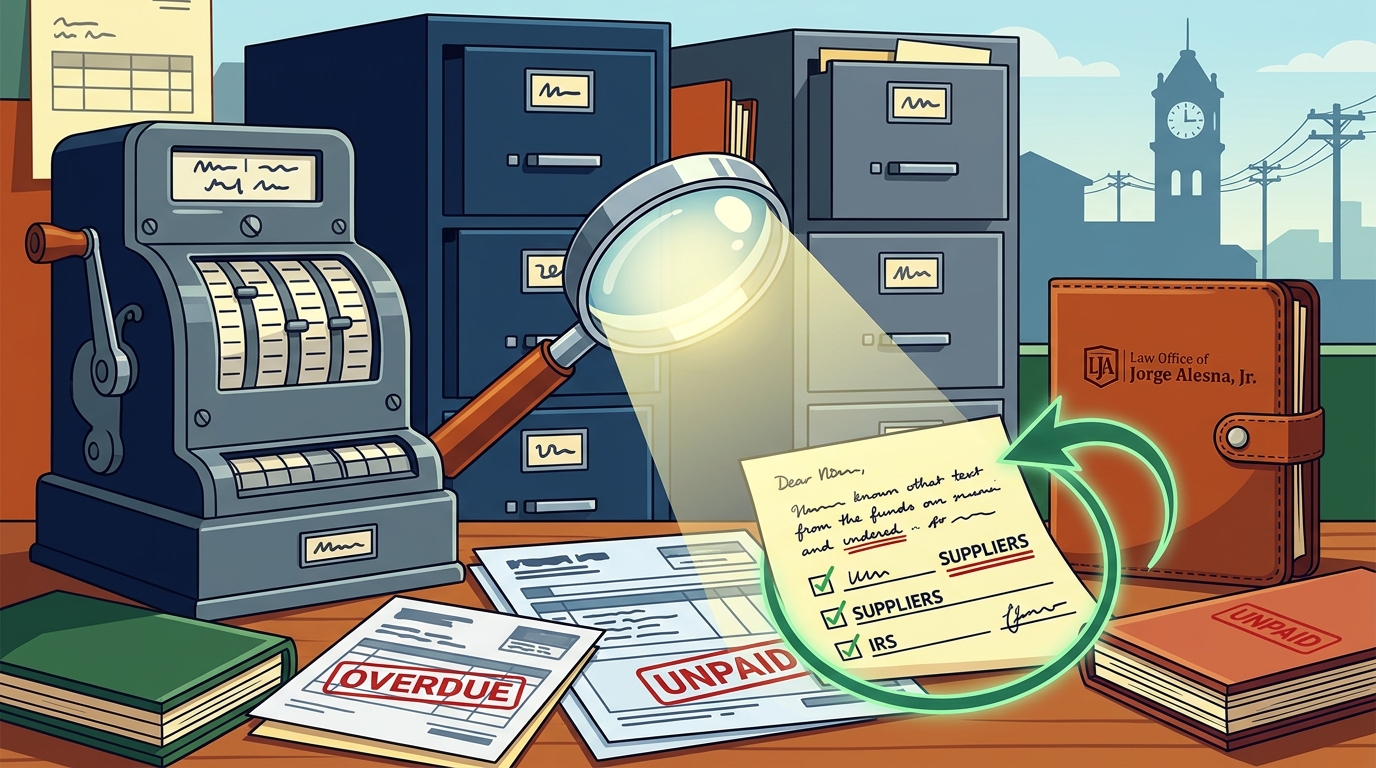
Agents often issue document requests for bank statements, general ledgers, and payroll records. They also conduct interviews with the responsible person and other employees. During these interviews, agents ask specific questions about decision-making processes. For example, they may ask why the company paid other bills, such as rent or vendor invoices, but did not pay the IRS. The answers to these questions are critical in establishing willfulness.
Common Mistakes That Trigger Willfulness
Financial Hardship vs. Willfulness
Defending Against Willfulness Claims
Challenging the Responsible Person Status
While this article focuses on willfulness, it is also important to challenge the underlying responsible person status if appropriate. If the individual did not have the power to control the payment of taxes, they may not be a responsible person at all. This is a separate legal issue, but it often intersects with willfulness defenses. A strong defense requires addressing both elements: whether the person was responsible and whether they acted willfully.
Key Takeaways
- Willfulness requires proof of conscious disregard, not just negligence or financial failure.
- IRS agents use document requests and interviews to build a willfulness case.
- Paying other bills while withholding taxes is a strong indicator of willfulness.
- Financial hardship alone does not negate willfulness if funds were diverted.
- Documenting your actual role and actions is critical for a defense.
- Ignoring IRS notices can be interpreted as deliberate non-compliance.
- Consulting with a tax attorney early can help preserve defenses.
Frequently Asked Questions
What is the difference between negligence and willfulness in tax law?
Negligence is a failure to exercise reasonable care, while willfulness is a conscious and intentional choice to ignore a known legal obligation. The IRS must prove willfulness to assign the Trust Fund Recovery Penalty, which is a higher standard than negligence.
Can I be held liable for payroll taxes if I was not the owner?
Yes, if you were a responsible person with the authority to control the payment of taxes. Ownership is not required. Employees, officers, or directors can be held liable if they had the power to make payment decisions.
How long does the IRS have to assess the Trust Fund Recovery Penalty?
The IRS generally has three years from the date the tax was assessed to assess the penalty. However, this period can be extended in certain circumstances, such as if the taxpayer consents to an extension.
Does paying other business bills prove willfulness?
Paying other bills while withholding payroll taxes is strong evidence of willfulness. It shows that the individual had the funds to pay but chose to prioritize other expenses over the tax obligation.
Can I appeal a willfulness determination?
Yes, you can appeal the determination through the IRS Appeals process. You can also request a collection due process hearing if a levy or lien is proposed. These forums allow you to present evidence and argue against the willfulness finding.
What should I do if I receive a letter about the Trust Fund Recovery Penalty?
Do not ignore the letter. Contact a tax attorney to review the letter and understand your options. Responding promptly and seeking professional advice can help protect your rights and preserve defenses.
Next Steps for Bakersfield Taxpayers
Understanding how the IRS proves willfulness is essential for protecting your personal assets. The Law Office of Jorge Alesna, Jr. provides independent guidance to individuals and businesses in Bakersfield and Kern County who are facing these complex tax disputes. If you have received a notice regarding payroll tax liability, it is important to seek professional advice to understand your position and options. Learn more about our IRS payroll tax services to see how we can assist you.