
Responsible person liability is a legal standard that imposes personal tax debt on individuals who had the authority to pay taxes. Operational control of payroll is the factual reality of who actually signs checks, approves time, and manages funds. The Law Office of Jorge Alesna, Jr. in Bakersfield helps clients distinguish these concepts. If you signed checks but did not control payroll, you may not be liable. If you controlled payroll but claim you did not, you face significant risk. This distinction determines whether an officer is personally on the hook for unpaid payroll taxes.
The Legal Standard of Responsible Person Liability
Authority vs. Action
The IRS looks at whether the individual had the authority to pay the taxes, not just whether they actually paid them. If an officer had the ability to pay other bills but chose not to pay the IRS, they are likely a responsible person. This legal standard is broad and often applied to corporate officers, directors, and shareholders. It is a threshold determination that must be established before the IRS can pursue personal assets.
Operational Control of Payroll Defined
Operational control of payroll is the practical, day-to-day management of employee compensation and tax withholding. This involves the specific actions of calculating wages, approving time sheets, signing payroll checks, and managing the bank accounts from which payroll is drawn. Unlike the legal standard of responsible person liability, operational control is a factual inquiry. It asks who actually performed the tasks associated with payroll. An individual with operational control is the one who physically or digitally executes the payroll process.
Signs of Operational Control
Comparing Liability and Control
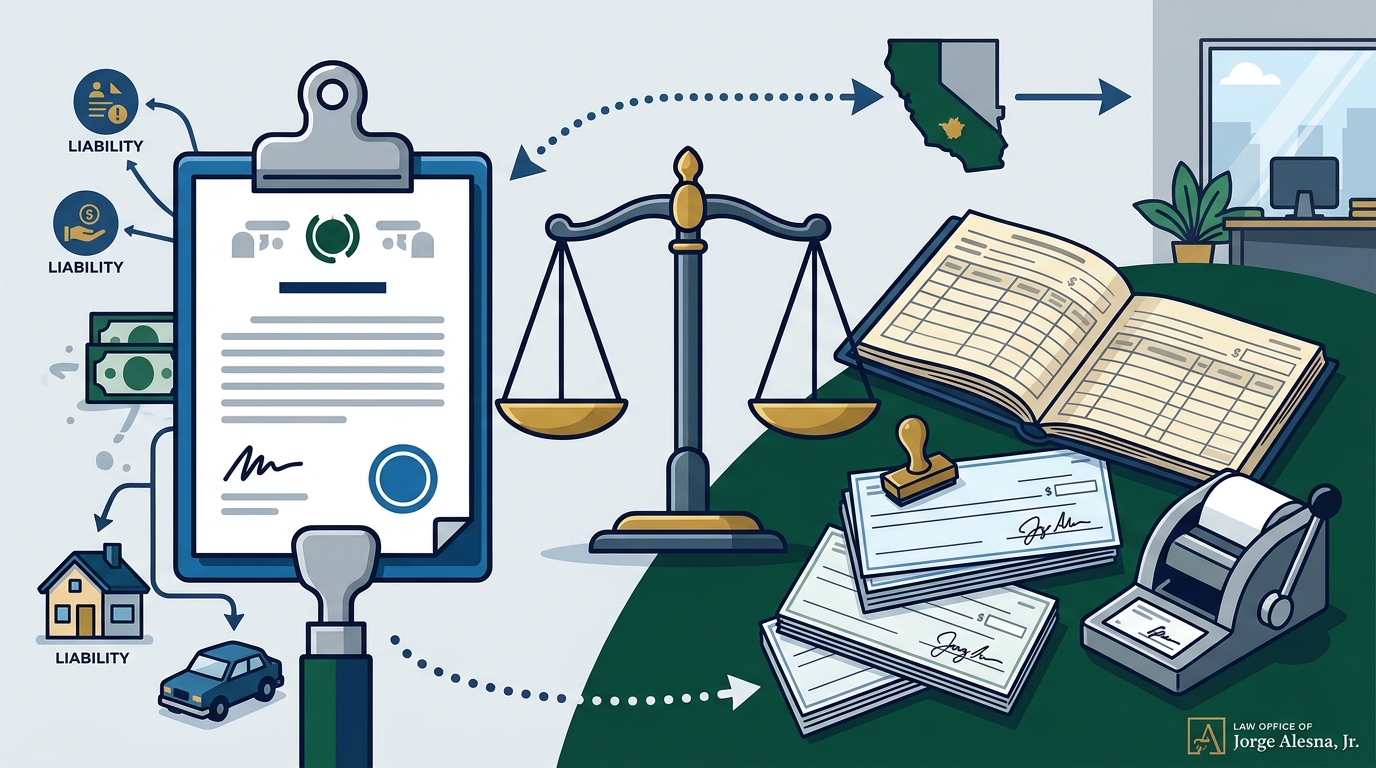
The following table summarizes the differences between the legal standard of responsible person liability and the factual reality of operational control of payroll.
| Criteria | Responsible Person Liability | Operational Control of Payroll |
|---|---|---|
| Nature | Legal standard for personal tax debt | Factual reality of payroll management |
| Key Question | Did you have the authority to pay taxes? | Did you actually perform payroll tasks? |
| Evidence Focus | Bank signatures, board resolutions, authority to spend | Signed checks, software access, time approvals |
| Defense Strategy | Prove lack of authority or willfulness | Prove another party performed the tasks |
Understanding this distinction is vital for building a defense. A client may have operational control but argue they lacked the legal authority to make tax decisions. Conversely, a client may have legal authority but claim they had no operational control over the payroll process. The Law Office of Jorge Alesna, Jr. evaluates both aspects to determine the strongest position for each client.
Choosing the Right Defense Strategy
Choosing the right defense strategy depends on the specific facts of your case. You must align your argument with the evidence available. The following guidance helps clarify which approach fits your situation.
Choose Responsible Person Defense if
Choose the responsible person defense if you held a high-ranking title but did not have the actual authority to make financial decisions. This is common for passive shareholders or officers who were not involved in daily operations. You must demonstrate that you could not have directed funds to the IRS, even if you wanted to. This defense focuses on the legal limits of your role.
Choose Operational Control Defense if
Choose the operational control defense if you had the legal authority to pay taxes but did not perform the actual payroll tasks. This is common for officers who delegated payroll to a bookkeeper or payroll service. You must show that another individual or entity actually signed the checks and managed the funds. This defense focuses on the factual reality of who did the work.
Frequently Asked Questions
Can I be a responsible person if I did not sign payroll checks?
Yes, you can be a responsible person even if you did not sign the checks. The IRS looks at whether you had the authority to pay the taxes. If you had the power to direct funds but chose not to pay the IRS, you may be liable. Signing checks is evidence of operational control, but it is not the only factor in determining responsible person status.
Does having a title like CEO automatically make me liable?
No, a title alone does not automatically make you liable. The IRS looks at the substance of your role, not just the name. If you were a figurehead with no actual authority over finances, you may not be a responsible person. However, if you used your title to make financial decisions, you are likely liable. The focus is on actual authority and actions.
What if I delegated payroll to a third-party service?
Delegating payroll to a third-party service does not automatically remove your liability. You must still have the authority to pay the taxes. If you approved the payroll or had the ability to stop it, you may still be a responsible person. The key is whether you retained the ultimate authority over the funds, even if the mechanical tasks were outsourced.
How does the IRS prove operational control?
Can I switch my defense strategy during an audit?
Yes, you can adjust your defense strategy as new evidence emerges. However, consistency is important. If you initially claimed you had no authority, you cannot later claim you had authority but did not act. The Law Office of Jorge Alesna, Jr. helps clients refine their strategy based on the specific facts and evidence presented during the audit or collection process.
Conclusion
The difference between responsible person liability and operational control of payroll is critical for anyone facing personal tax debt. Responsible person liability is a legal standard based on authority, while operational control is a factual reality based on actions. The Law Office of Jorge Alesna, Jr. in Bakersfield provides independent guidance to help you understand which standard applies to your situation. We review the facts of your case to determine the strongest defense. To discuss your specific circumstances, contact our team. Learn more: Checking your browser.