

How a Bakersfield Attorney Handles California Residency Disputes
When the California Franchise Tax Board (FTB) questions your residency, a Bakersfield attorney handles the dispute by proving your move through documentation, not just explanation. The Law Office of Jorge Alesna, Jr. represents taxpayers in these complex administrative and judicial proceedings. This guide covers how to choose legal counsel, verify credentials, understand the process, and protect your rights in Kern County and across California.
How to Choose the Right Attorney
Choosing legal representation for a tax residency dispute requires looking beyond general tax preparation experience. A tax controversy attorney is a legal professional who represents taxpayers in disputes with government agencies. You need someone who understands the specific burden of proof in California residency cases. The Law Office of Jorge Alesna, Jr. focuses exclusively on tax controversy, meaning the attorney handles these matters personally rather than delegating to junior staff.
Experience with Administrative Appeals
Residency disputes often end in administrative hearings before the California Office of Tax Appeals (OTA). An effective attorney must be comfortable presenting evidence to administrative law judges. Look for a practitioner who treats these hearings as litigation, focusing on the record and briefing rather than informal negotiation.
Direct Access and Communication
Many large firms use intake teams that filter calls. In a residency dispute, you need direct access to the attorney handling your case. The Law Office of Jorge Alesna, Jr. ensures that when you contact the office, you speak directly with the attorney. This direct line of communication is critical for understanding the strategy and making informed decisions.
Specific Questions to Ask Before Committing
Before signing a retainer, you should ask specific questions to gauge the attorney's approach. Do not accept vague answers. You need to know how they will handle the specific facts of your move.
Questions About Strategy
- How do you determine the specific date of residency change?
- What documentation do you require to prove the move?
- How do you handle the FTB's presumption of continued residency?
Questions About Process
- Will you handle the protest and appeal stages personally?
- What is the process for communicating with the FTB auditor?
- How do you prepare for a hearing before the OTA?
How to Verify Credentials and Claims
It is essential to verify that your attorney is licensed and in good standing. You can check the State Bar of California website to confirm an attorney's license status and any disciplinary history. Jorge Alesna, Jr. is a member of the State Bar of California. Verifying this status ensures you are working with a qualified legal professional who is bound by professional ethics rules.
Checking Disciplinary History
The State Bar of California provides public access to attorney disciplinary records. Reviewing this history helps you understand the attorney's professional conduct. A clean record is a positive indicator of reliability and ethical practice.
The Residency Dispute Process
A California residency dispute typically follows a structured administrative path. The process begins when the FTB issues a Notice of Proposed Assessment (NPA) based on an audit or information match. The taxpayer then has a specific window to file a protest. If the protest is denied, the FTB issues a Notice of Action. This notice allows the taxpayer to appeal to the California Office of Tax Appeals. according to Residency Requirements Office
Step 1: The Protest
The protest is the first formal challenge. It must be filed within 60 days of the NPA. A strong protest identifies the specific adjustments, presents facts, and cites relevant law. The goal is to get the FTB to withdraw or reduce the assessment.
Step 2: The Appeal
If the FTB maintains the assessment, the case moves to the OTA. This is an independent agency. The hearing is a formal proceeding where evidence is presented. The attorney builds the record here, which is crucial if the case later goes to court.
Step 3: Litigation
If the OTA upholds the assessment, the taxpayer may file a refund suit in Superior Court. This is a post-payment remedy. The taxpayer must pay the tax to preserve the right to sue for a refund.
Factors That Drive Legal Costs
Legal fees for residency disputes vary based on complexity. The primary driver is the number of years under dispute and the amount of tax at stake. A dispute involving a single year and a modest tax amount will cost less than a multi-year dispute involving significant business income. The Law Office of Jorge Alesna, Jr. discusses fee structures openly during the initial consultation. according to Residency Requirements Office
Complexity of Facts
Cases involving remote work, business ownership, or real estate sales are more complex. They require more documentation and legal analysis. This increases the time required and, consequently, the cost.
Stage of Dispute
Engaging an attorney early, during the audit or protest stage, is generally more cost-effective than waiting until the case reaches litigation. Early intervention can resolve the dispute without the expense of a trial.
Common Mistakes and How to Avoid Them
Taxpayers often make critical errors that weaken their case. The most common mistake is assuming that a simple explanation of moving is enough. California residency is determined by "closest connections," not just where you live. Another mistake is failing to meet deadlines. Missing the 60-day protest window can forfeit your right to challenge the assessment administratively.
Ignoring Documentation
Many taxpayers rely on memory rather than records. You need to document where you spent your time, where your family lived, and where your financial ties were. Without this documentation, it is difficult to prove a change in residency.
Communicating Without Strategy
Answering auditor questions without understanding the legal implications can expand the audit. An attorney controls the flow of information to protect your rights.
Attorney Representation vs. Alternatives
Some taxpayers consider representing themselves or using a tax preparer. While a tax preparer can help with compliance, they cannot provide legal advice or represent you in court. An attorney is the only professional who can advocate for you in litigation. The following table compares these options.
| Option | Legal Advice | Court Representation | Best For |
|---|---|---|---|
| Tax Preparer | No | No | Routine compliance |
| Self-Representation | No | Yes (Pro Se) | Simple, low-stakes disputes |
| Tax Attorney | Yes | Yes | Complex residency disputes |
Handling Specific Residency Scenarios
Residency disputes often arise in specific contexts. For example, a taxpayer who moves to another state but keeps a home in California may face scrutiny. The FTB will look at the nature and permanence of the move. If you sell your California home, that is a strong indicator of non-residency. However, if you keep the home for rental or family use, the analysis becomes more complex.
Remote Work
Remote work complicates residency. If you work for a California company from another state, the FTB may argue you are still a resident. An attorney helps distinguish between physical presence and economic nexus.
Business Owners
Business owners face additional scrutiny. The FTB looks at where the business is managed and where the owner spends time. Documentation of business activities in the new state is crucial.
Rules and Taxpayer Protections
California tax law provides specific protections for taxpayers. The FTB must follow due process. This includes providing notice of proposed assessments and allowing an opportunity to be heard. Taxpayers have the right to present evidence and cross-examine witnesses in administrative hearings. These procedural rights are essential for a fair dispute resolution.
Burden of Proof
In many residency cases, the burden of proof shifts to the taxpayer once the FTB makes a prima facie case. This means you must prove you are a non-resident. Understanding this burden is key to building a strong case.
Local Specifics for Bakersfield and Kern County
Bakersfield and Kern County have specific economic factors that influence residency disputes. The oil and gas industry, agriculture, and healthcare sectors are major employers. Many professionals in these fields may have ties to multiple locations. The Law Office of Jorge Alesna, Jr. is located in downtown Bakersfield and understands the local context. This local knowledge can be valuable in assessing the "closest connections" factor.
Real Estate Market
The local real estate market affects how moves are documented. Selling a home in Kern County is a significant event. Keeping a property in the area for investment purposes requires careful documentation to show it is not your primary residence.
The Critical Role of Timing
Timing is everything in a tax dispute. Deadlines are strict and non-negotiable. The 60-day window for filing a protest is a hard deadline. Missing it can end your administrative options. Additionally, the statute of limitations for filing a refund suit is typically three years from the date of payment. Acting early preserves all your options.
Early Intervention
Engaging an attorney before the FTB issues a final assessment allows for a more strategic response. You can shape the record and present your case effectively. Waiting until the collection stage limits your options and increases stress.
Long-Term Outcomes and Expectations
Residency disputes can take months or years to resolve. The outcome depends on the strength of the documentation and the legal arguments. A successful outcome may result in a full withdrawal of the assessment or a significant reduction. Even if the case is not fully resolved, a strong administrative record can be valuable in subsequent litigation. The Law Office of Jorge Alesna, Jr. provides clear communication about the status and expected timeline of your case.
Settlement Possibilities
Many cases are resolved through settlement. The FTB may agree to reduce the assessment if the taxpayer presents compelling evidence. An attorney can negotiate a settlement that reflects the hazards of litigation.
Frequently Asked Questions
What is the first step in a California residency dispute?
The first step is to review the Notice of Proposed Assessment (NPA) from the FTB. You should consult with a tax attorney to understand the specific issues and deadlines before responding.
How long does a residency dispute take?
It varies. A protest may take a few months. An appeal before the OTA can take longer. Litigation in Superior Court can take a year or more. The timeline depends on the complexity of the case.
Can I represent myself in a residency dispute?
Yes, you can represent yourself. However, residency disputes involve complex legal standards. An attorney is recommended to ensure your rights are protected and your case is presented effectively.
What documents are needed to prove non-residency?
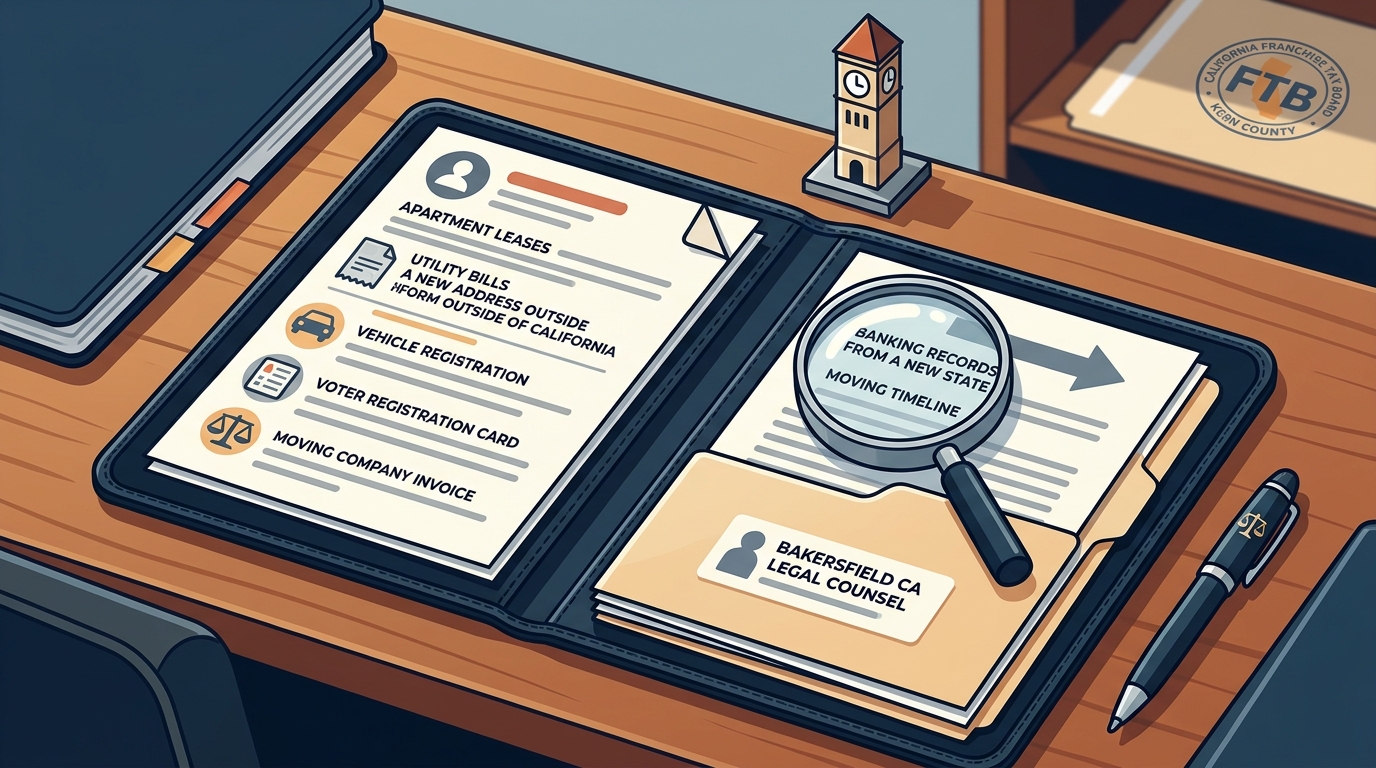
You need documents showing where you lived, worked, and kept your personal property. This includes lease agreements, utility bills, bank statements, and travel records. The goal is to show your "closest connections" were in the new state.
Does the Law Office of Jorge Alesna, Jr. handle residency disputes?
Yes, the firm represents individuals and businesses in FTB residency and sourcing disputes in Bakersfield, Kern County, and throughout California.
What is the California Office of Tax Appeals (OTA)?
The OTA is an independent state agency that hears administrative tax appeals. It provides a neutral forum for taxpayers to challenge FTB and CDTFA determinations.
Key Takeaways
- A tax controversy attorney is essential for navigating the complex legal standards of California residency disputes.
- Documentation is the foundation of a residency case. You must prove your "closest connections" were in the new state.
- Deadlines are strict. The 60-day protest window is a critical milestone that cannot be missed.
- The California Office of Tax Appeals (OTA) is an independent body that provides a neutral forum for appeals.
- Legal costs depend on the complexity of the case and the stage of the dispute.
- Early intervention by an attorney can help control the flow of information and protect your rights.
- The Law Office of Jorge Alesna, Jr. provides direct, personal representation for taxpayers in Bakersfield and Kern County.
Conclusion
Navigating a California residency dispute requires a strategic approach and a deep understanding of tax law. The Law Office of Jorge Alesna, Jr. offers the expertise and direct attention needed to protect your rights and interests. If you are facing a residency determination from the FTB, it is important to act quickly and consult with a qualified attorney. to schedule a confidential discussion about your tax matter.